
Zsolnay Collection
Zsolnay Collection
Zsolnay Porcelain Collection in Budapest
The Largest Private Zsolnay Collection in Budapest
Discover the Art Nouveau ResoArt Villa and the largest private Zsolnay porcelain collection in Budapest, presenting the key ceramic innovations of the historic Zsolnay manufactory. Managed by the Resonator Cultural and Art Foundation, the collection comprises nearly one thousand pieces and offers an outstanding overview of Hungarian ceramic excellence from the late 19th and early 20th centuries.
At its heart are works created during Zsolnay’s approximately fifty-year golden age — a period defined by artistic ambition, technical experimentation and international recognition that shaped the manufactory’s lasting legacy.
Privately owned by art collector András Szabó, the collection traces the development of the Zsolnay brand through decorative ceramics, architectural ceramics and unique art objects that established its worldwide reputation.
Although international collectors often search for “Zsolnay porcelain”, most objects created during this period were not true porcelain, but high-fired ceramics such as porcelain faience. The ResoArt Villa’s exhibition faithfully represents this authentic and innovative chapter of Hungarian ceramic history.
The collection is housed in the historic Kőrössy Villa, one of the most important examples of Hungarian Art Nouveau architecture in Budapest, which can be explored further on the Art Nouveau Kőrössy Villa page.


The Zsolnay Story – Hungarian Ceramic Innovation
The history of Zsolnay is exceptional within Hungarian applied arts. It began in 1851, when merchant Miklós Zsolnay purchased a former stoneware factory for his son, Ignác. The decisive breakthrough came in 1865, when Vilmos Zsolnay took over the struggling enterprise.
A talented painter with extraordinary technical curiosity, Vilmos Zsolnay transformed a small provincial workshop into one of Europe’s leading ceramic manufactories. Through continuous experimentation with materials and glazes, the Zsolnay factory developed techniques that set new standards in artistic ceramics.
International recognition followed rapidly:
-
1873 Vienna World’s Fair
-
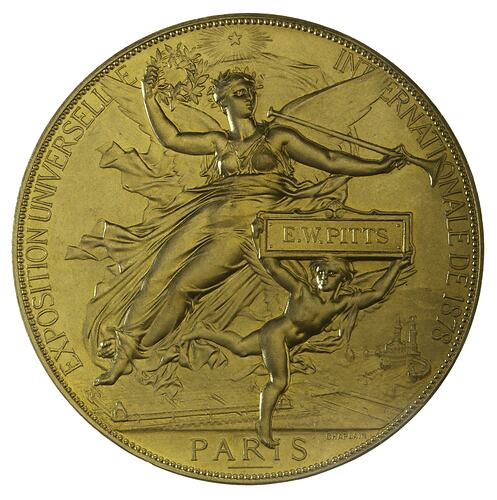
1878 Paris Exposition Universelle (Grand Prix / Gold Medal)
By the end of the 19th century, Zsolnay had become one of the most respected names in European ceramics, appreciated from Budapest to Paris, London, the United States and the Far East.
What Is Zsolnay Porcelain Faience?
The Innovation Behind Hungarian “Porcelain” Faience
One of the manufactory’s greatest achievements was the development of a new ceramic material later termed porcelain faience. Through years of costly and tireless experimentation, Vilmos Zsolnay demonstrated that although Hungary lacked traditional porcelain-grade kaolin—such as the famous Bohemian and Chinese deposits—local mineral resources, if carefully prepared, could produce objects with an aesthetic quality approaching true porcelain.
The breakthrough involved the use of a local clay sometimes referred to as rhyolite-kaolin, which fired to a warm ivory tone. The result was a ceramic body that was:
-
less dense than porcelain,
-
stronger and finer than traditional faience,
-
fired at a temperature between porcelain and faience,
-
suitable for lead-free coloured glazes.
Because of its hybrid nature, the Berlin scholar Dr Alexander Schmidt described the material as porcelain faience (also referred to as porcelain-faience in historical sources), while Zsolnay himself referred to it as a high-firing enamel technique. Both terms highlight the unique combination of porcelain-like purity and vibrant faience-like glaze effects.

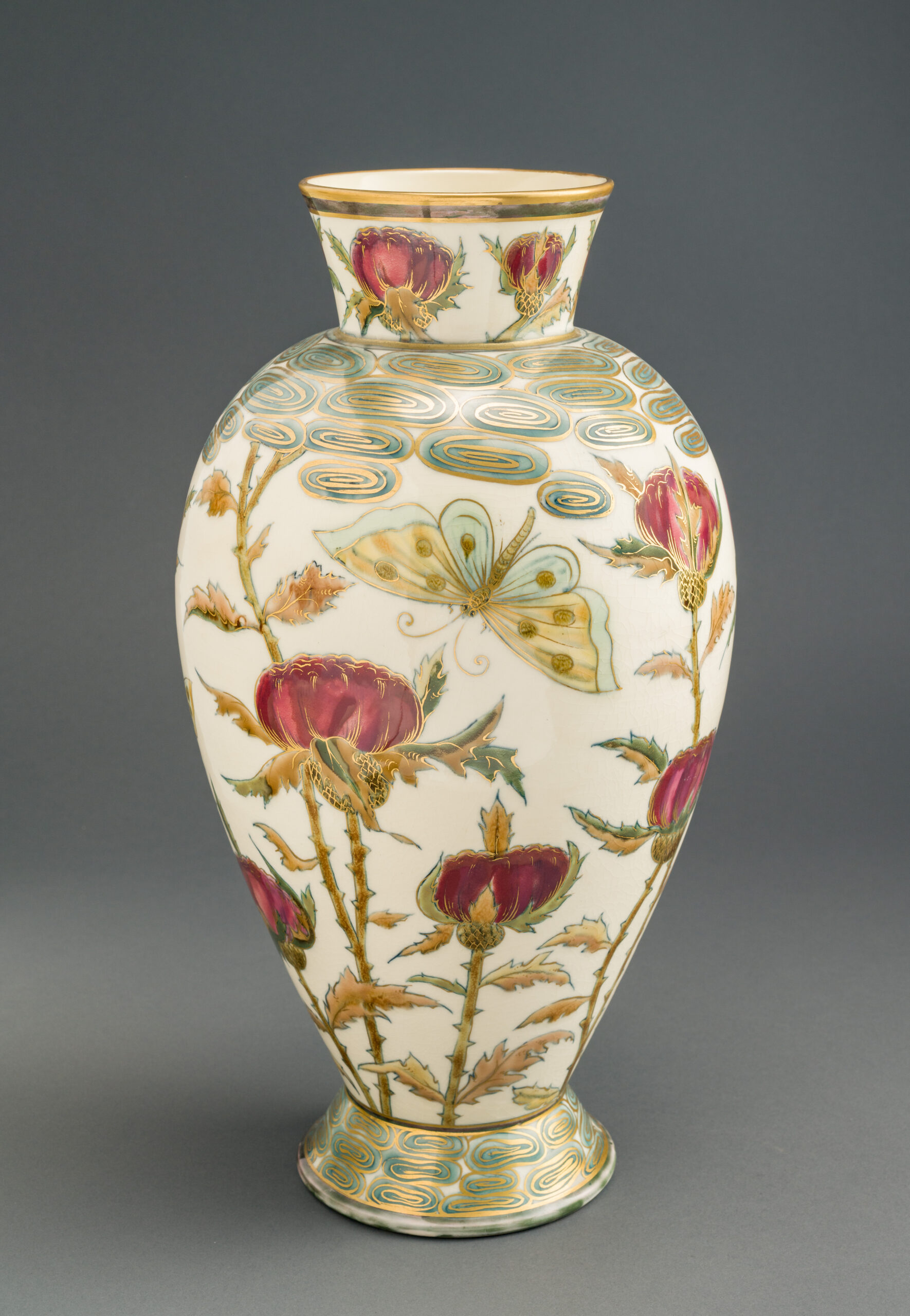
How Porcelain Faience Differs from Porcelain
Porcelain
-
Made from high-purity kaolin
-
Fired at 1350–1400 °C
-
Dense, glassy and translucent
-
Decorated with underglaze or overglaze paints
Zsolnay Porcelain Faience
-
Made with Hungarian rhyolite-kaolin
-
Fired at 1100–1250 °C (lower than porcelain, higher than faience)
-
Ivory-coloured, slightly porous, warm and soft in tone
-
Decorated with coloured glazes created by metal oxides ground into the base glaze
-
At high temperatures, colours melt gently into the glaze, producing characteristic blurred, velvety outlines
As Professor Vince Wartha wrote:
“No hard, rigid lines appear in the decoration; the radiant flowers blend softly into the slightly yellowish body, and the intense glazes, flowing into one another, sometimes give the impression—even under magnification—of the velvety surface of a real flower.”
International Debut: 1878 Paris Exposition Universelle
Zsolnay porcelain faience was first presented internationally in Paris in 1878, where it astonished critics and competitors alike. The manufactory was awarded the Grand Prix, firmly establishing Hungarian porcelain faience as a world-class innovation.
This success played a crucial role in shaping the international reputation of Zsolnay porcelain—even though, in many cases, the works were technically porcelain faience. This duality remains an essential part of the Zsolnay identity today.
Zsolnay Ceramics in the ResoArt Private Collection
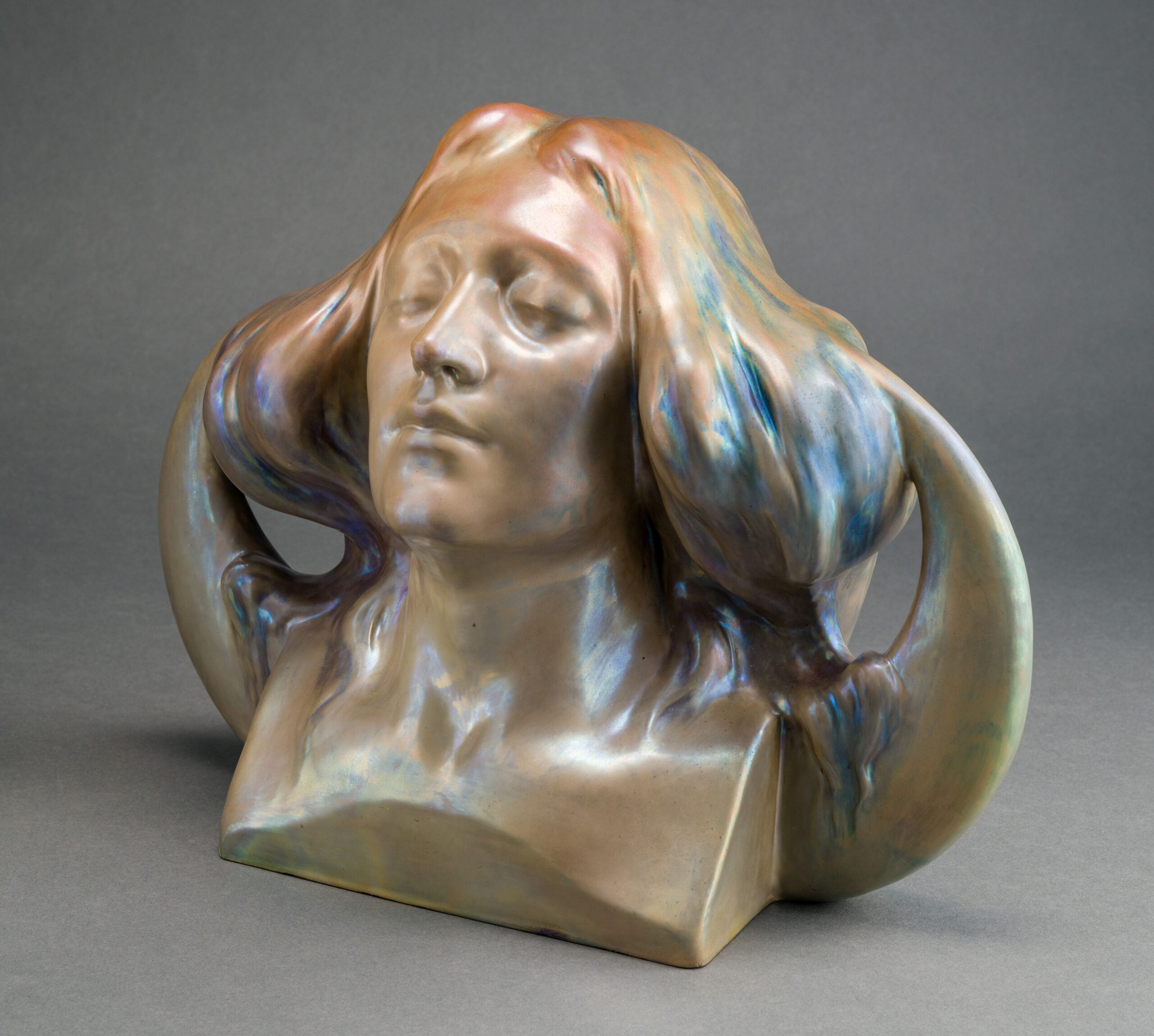
Our Budapest-based collection includes many exceptional examples of Hungarian porcelain faience, eosin-glazed ceramics and architectural ceramics. Several pieces represent forms and motifs that cannot be found even in Hungarian museums.
Highlights of the collection include:
-
Historicist and early Art Nouveau porcelain faience
-
Rare eosin-glazed sculptures and vessels
-
Architectural ceramics
-
Decorative objects with gold-emphasised contours
-
Private collector rarities from Zsolnay’s golden age
As the most significant Zsolnay private collection in Budapest, the ResoArt collection offers an unparalleled insight into the creativity, innovation and artistic excellence of Hungarian ceramics.